Can You Tan on a Cloudy Day?
It's overcast, so you skip the sunscreen and assume you're safe. Plot twist: you can absolutely tan — and burn — under clouds. Here's what's really getting through.
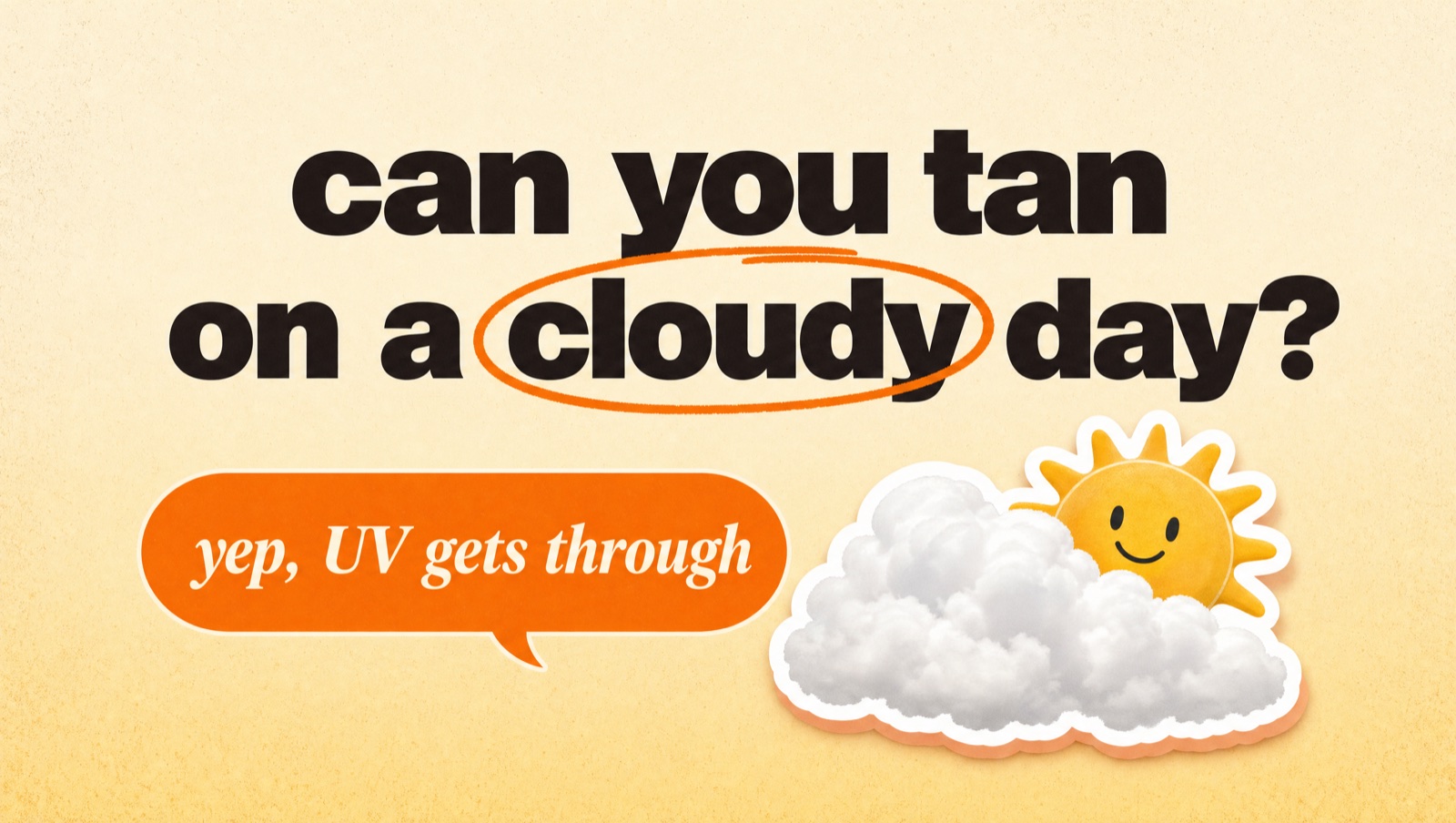
Yes — you can tan on a cloudy day. Up to 80% of UV passes through clouds, so thin or broken cloud barely slows your tan (or your burn). Only heavy, dark storm clouds cut UV significantly. Always go by the UV index, not the cloud cover.
Clouds are great at blocking visible light and heat — which is why a cloudy day feels cooler and dimmer. But the UV rays that tan and burn you have a different wavelength, and most of them scatter right through typical cloud cover. So the day feels safe while the UV is still doing its work.
| Sky condition | Approx. UV that reaches you |
|---|---|
| Clear sky | 100% |
| Thin / scattered cloud | ~80–90% |
| Broken cloud | ~70% |
| Heavy overcast | ~30–50% |
So a "cloudy" beach day can easily carry a UV index of 6 or 7 — plenty to tan, and plenty to burn if you're not paying attention.
Cloudy days cause a surprising number of sunburns precisely because people skip protection. The cooler, dimmer feel fools you — your skin doesn't get the memo.
SPF reads your location's real, live UV index even when it's overcast, so you know whether it's a tan day, an SPF day, or a stay-inside day. No more guessing by the clouds. Free, 400,000+ tanners.
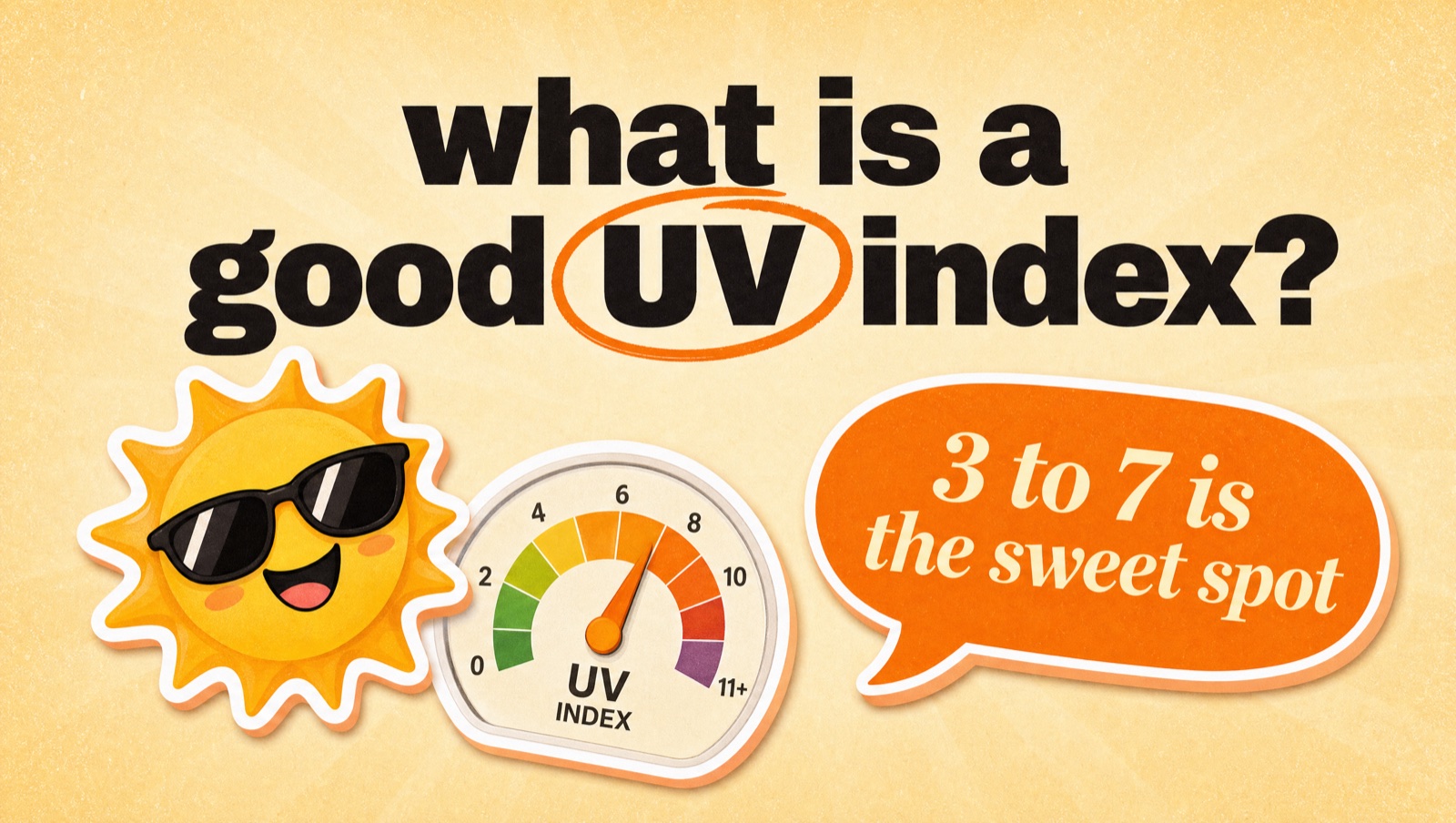
Download on theApp StoreClouds block the heat, not the UV. You can tan — and burn — on an overcast day, so judge it by the UV index, not by how sunny it looks. Want to know what level actually tans you? See what a good UV index is.
Live UV, a personalized timer, and burn alerts — free.
Download on theApp Store